Install

A PS5, torn down twice

Skillshed blog, 27 October 2026

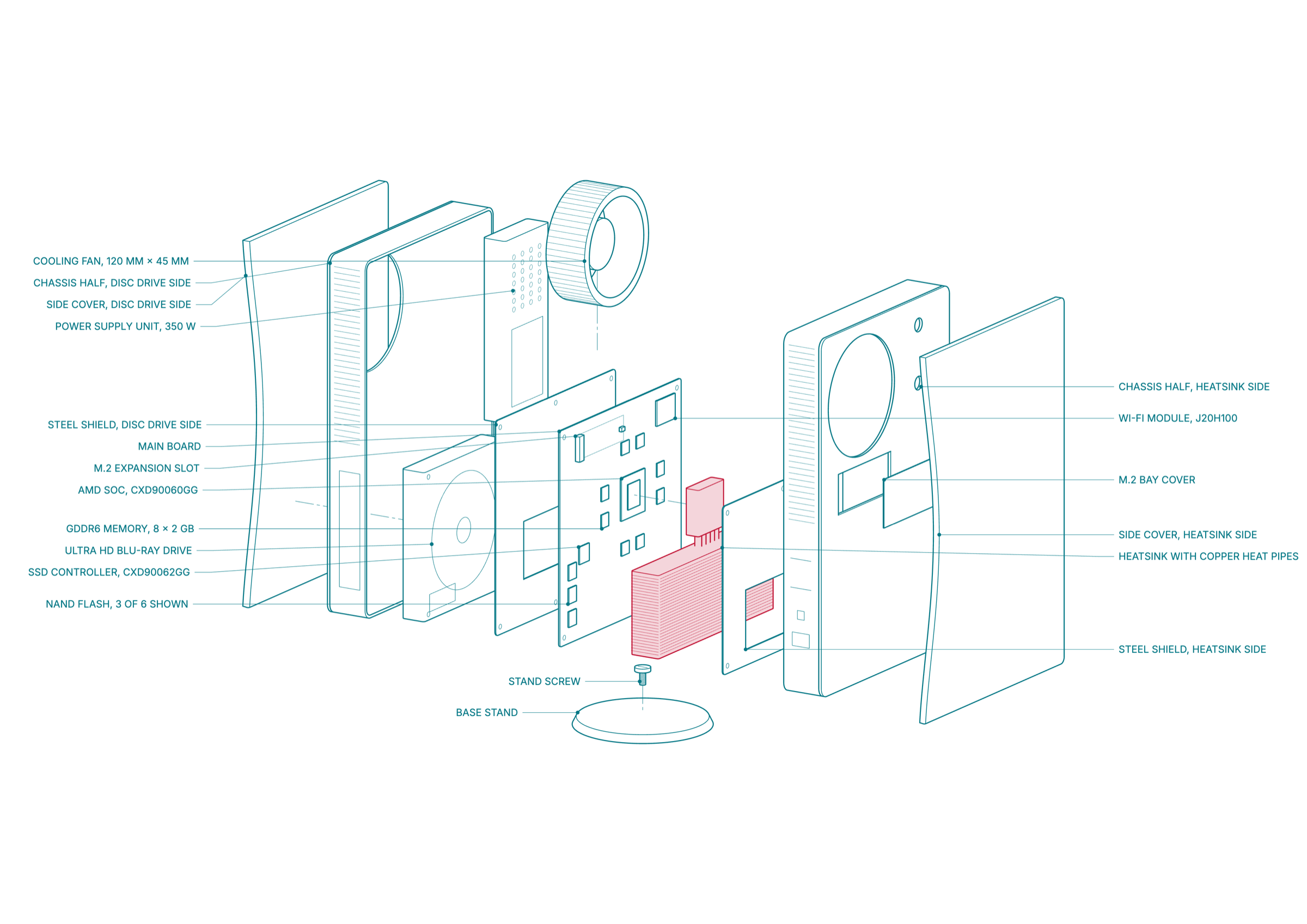
Exploded line drawing of the original PS5 with each part labelled, made by the run with Skillshed
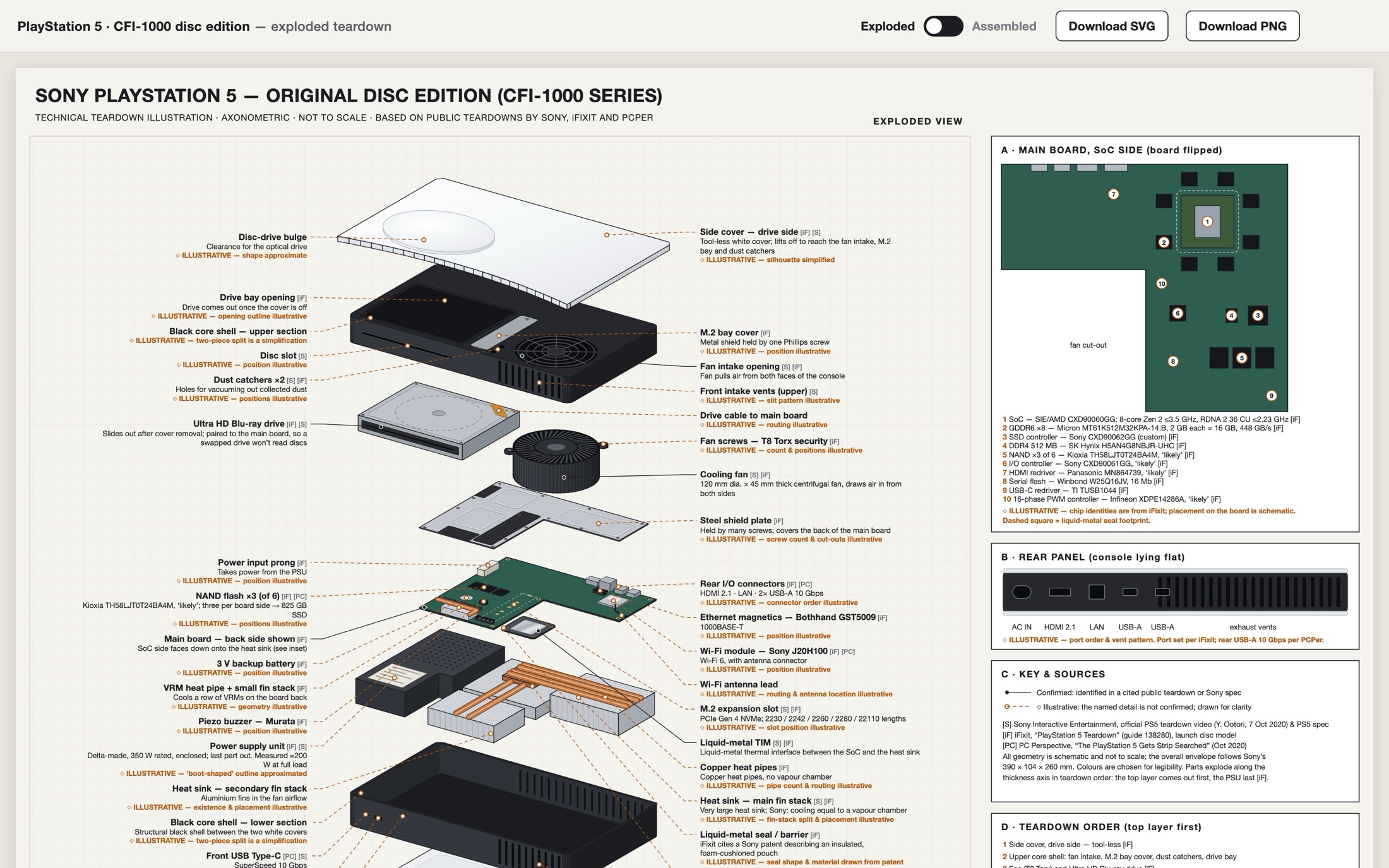
The plain run's page: a dense annotated poster of the PS5's parts with inset panels

One prompt, one model, run plain and with Skillshed.

With Skillshed: 10 minutes and $2.89. Plain: 17 and $3.48.

The setup

We asked Claude Opus 5.5 for a high-detail technical teardown of the original PS5 disc edition, twice, in two empty folders. The only difference was whether Skillshed was switched on.

The prompt. An exploded view of the CFI-1000's main components, the assembled console one switch away, every part labelled, internals based on public teardowns and anything unconfirmed marked as illustrative, delivered as a page that opens from disk with SVG and PNG downloads. It never mentions skills.

The two runs. Both headless, claude -p, with only the folder's own settings loaded so nothing from our machine leaked in. The plain run had no plugins at all. The Skillshed run had the defaults plus the interfaces pack, the way skillshed use interfaces sets it up.

What we measured. Wall time, cost, tokens per model, turns, tool calls and which skills fired, read from each run's transcript. Both ran at the same time on the same Mac, with Node 22 and Claude Code 2.1.308. The transcripts and the runner are in the repo.

What this isn't. A benchmark. Each side ran once, so the gap could move on another day. Our benchmarks run every task three times per arm with a scored rubric; a drawing has no rubric, so here you judge the result yourself.
Open both runs

These are the pages each run delivered, unedited. Switch between them, and use each page's own controls to take the console apart.

Which run

Wall time
10 m 28 s
Cost
$2.89
Opus output tokens
47,138
Of which thinking
20,566
Turns
55
Skill used
interfaces:teardown

Bottom bar: exploded or assembled, colour, part annotations, downloads.

Open this page on its own

Both pages are self-contained single files, as the prompt asked: 703 KB with Skillshed, 187 KB plain.

What it cost

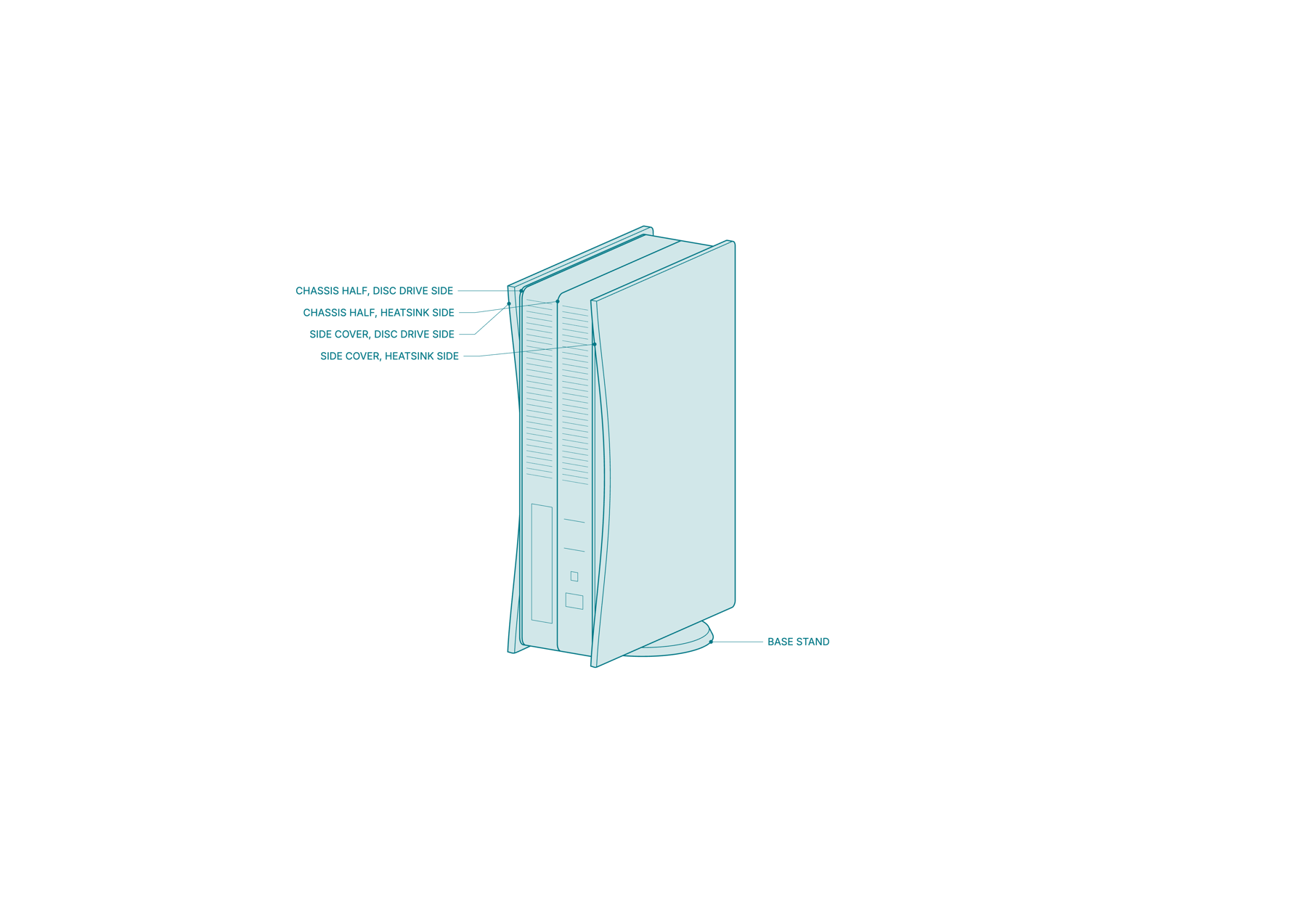
The run with Skillshed's assembled view: the PS5 standing on its base, side covers and chassis halves labelled
40%

less wall time: 10 m 28 s against 17 m 18 s.

49%

fewer Opus output tokens: 47,138 against 92,393.

From each run's stream-json transcript. Both runs also used Claude Haiku 5.5, which Claude Code calls to read fetched web pages; its share is in the cost.
Plain Claude CodeWith Skillshed
Modelclaude-opus-5-5claude-opus-5-5
Wall time17 m 18 s10 m 28 s
Cost$3.48$2.89
Opus output tokens92,39347,138
Of which thinking55,91120,566
Opus cache reads2,312,0323,634,492
Opus cache writes140,648147,182
Haiku 5.5, in / out64,363 / 7,332107,192 / 7,804
Turns3255
Tool calls3150
Web searches / fetches3 / 23 / 4
Skills usednoneinterfaces:teardown

What came back

The plain run's page: shaded parts stacked down the middle, labels on both sides, insets for the board, rear panel and sources

Plain: a labelled poster

  • Every part labelled, each with a source and an illustrative flag, plus insets for the main board, the rear panel and a teardown order.
  • Parts drawn as shaded slabs from a one-off Python script.
  • Exploded and assembled views, SVG and PNG downloads.
  • It rendered its own page and looked at the screenshots before finishing.
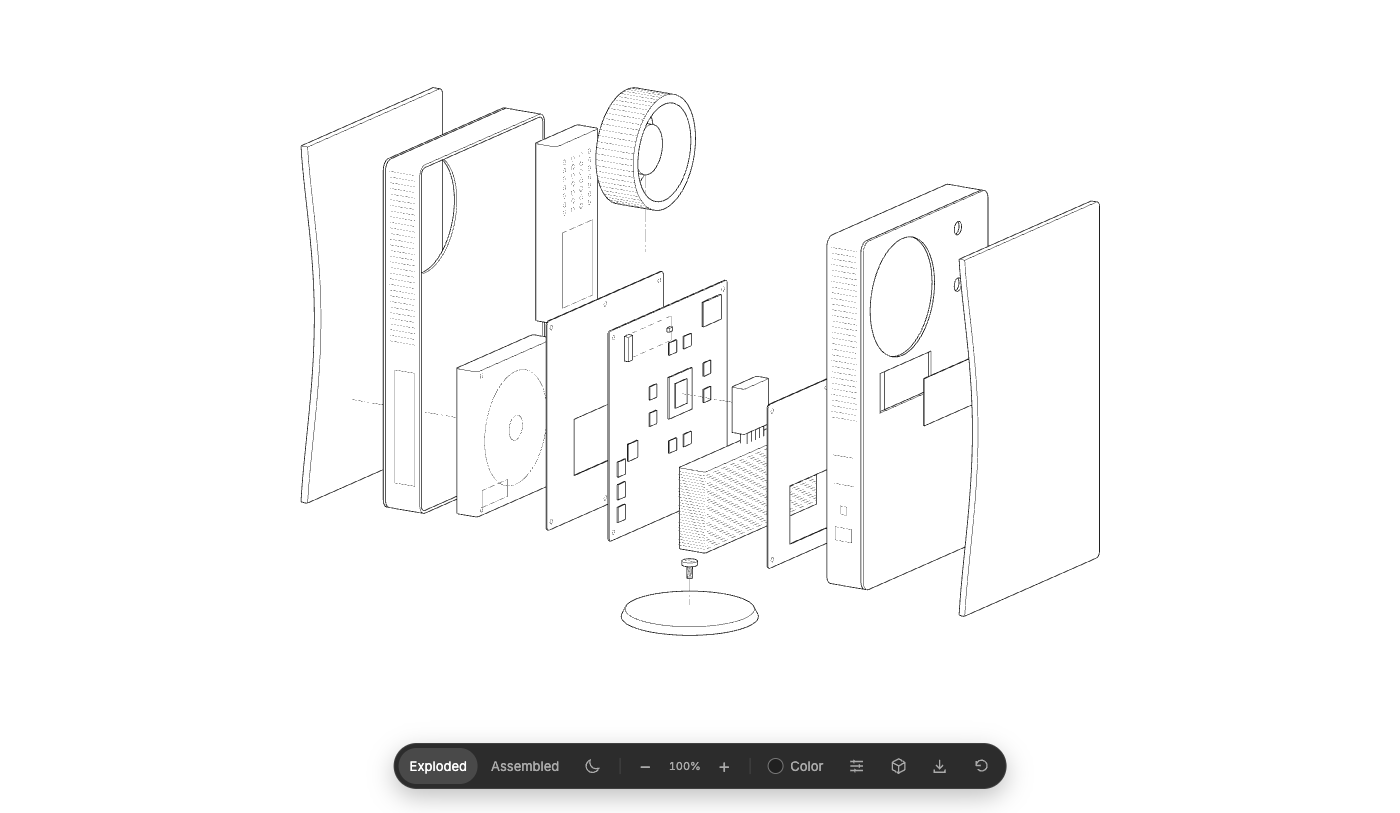
The Skillshed run's viewer: an exploded line drawing of the PS5 with a control bar at the bottom

With Skillshed: a model

  • A 3D model of 20 parts, projected with hidden lines removed, so both views and every export come from one geometry.
  • The viewer animates between views, recolours and isolates parts, and downloads SVG, A3 PNG and PDF.
  • An evidence file sorts 17 feature groups into confirmed, estimated and illustrative, citing iFixit and Sony.
  • It checked the page and every download in headless Chrome.

The plain run wrote more labels. The Skillshed run built more drawing: it followed the skill's procedure instead of inventing one, which is where the 45,000 fewer output tokens went.

How it got in

teardown
source  jakubkrehel/skills
path    skills/teardown
size    30 files, 240 KB

First it turned up in an upstream repo.

teardown
source  jakubkrehel/skills
scan    0 high, 4 medium
read    30 of 30 files
verdict ok with notes

Then a person read every file.

teardown
source  jakubkrehel/skills
commit  592aedc
hash    5ae1db3e…8a68
pack    interfaces

Then it was pinned to a commit and a hash.

> skillshed use interfaces
● Using interfaces:teardown
  model.js, drawing.json
  proof, check, evidence.md
  done in 10 m 28 s

Then the agent picked it up unprompted.

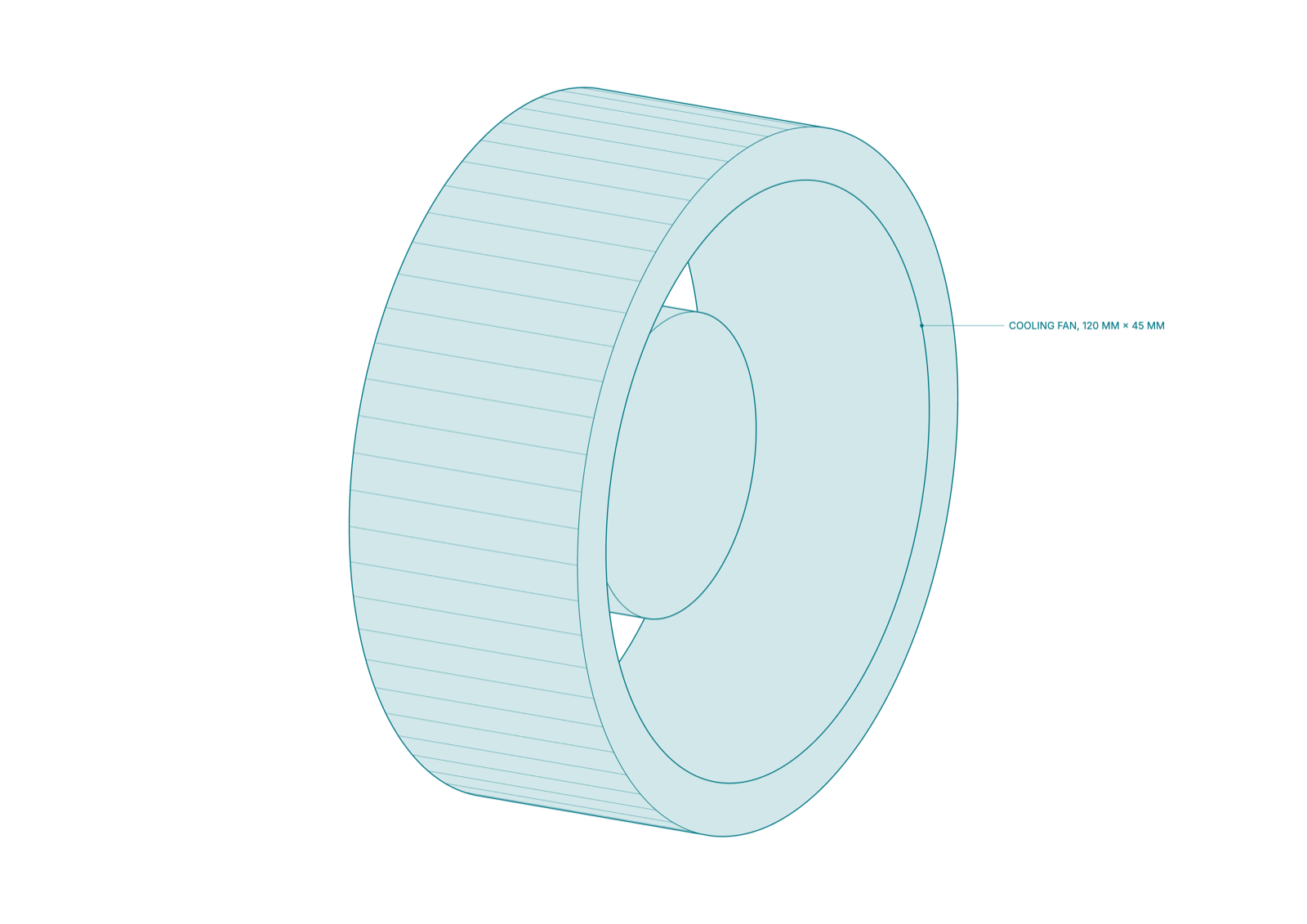
The PS5's cooling fan, isolated from the drawing

Try it on your own project

Install Skillshed, then switch the interfaces pack on in a project. Teardown and thirteen interface skills come with it.

curl -fsSL https://skillshed.munyamakosa.com/install/blog | bash